
STRIP OUT & FIT OUT
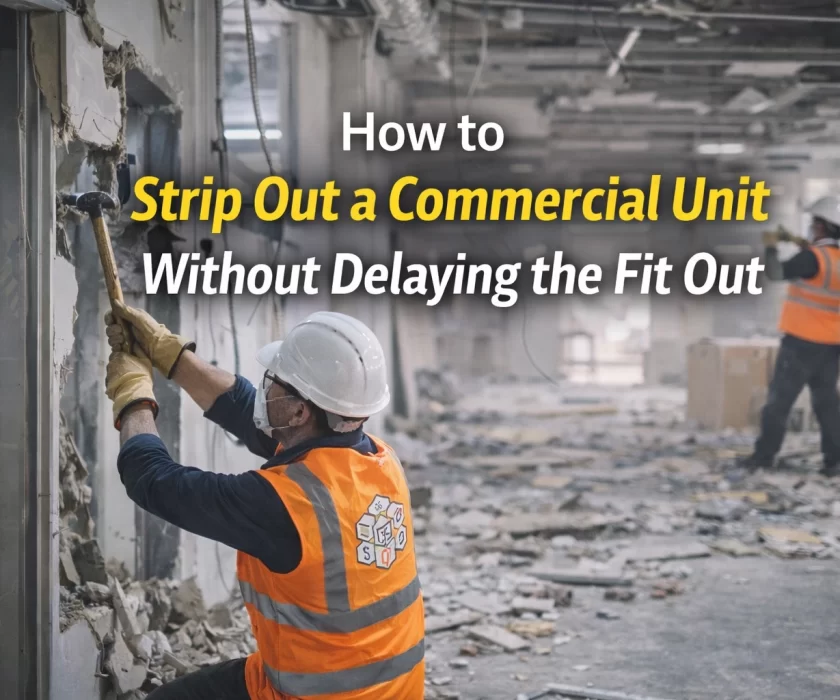
When people hear the term commercial strip out, they often imagine a few skips, a bit of demolition, and a clean slate. In reality, a full commercial strip out is a highly planned, technical process that sets the foundation for every successful refurbishment or fit out that follows.
Get it right, and the project runs smoothly.
Get it wrong, and you risk delays, cost overruns, compliance issues, and serious safety concerns.
So what does a full commercial strip out really involve — and why does it matter so much?
What Is a Full Commercial Strip Out?
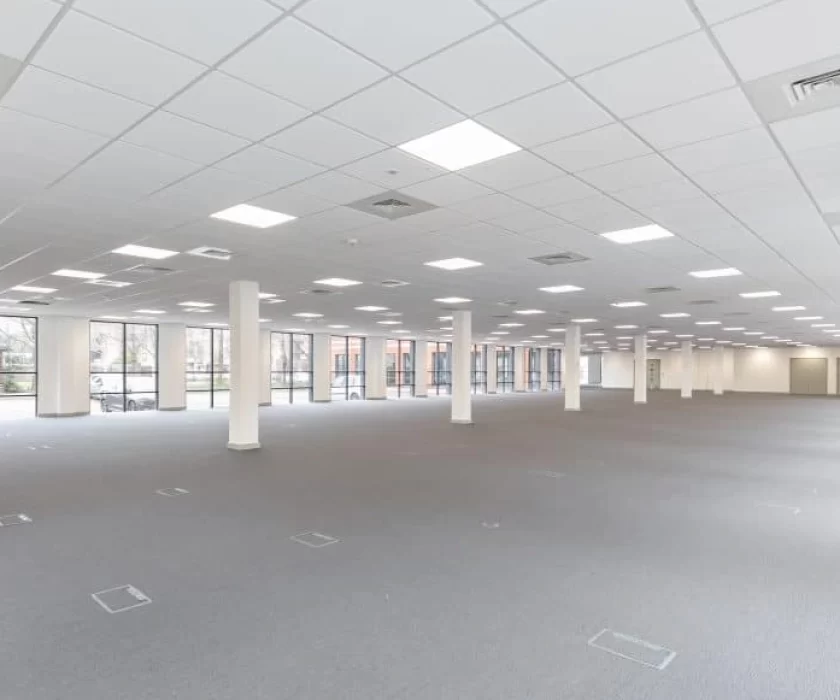
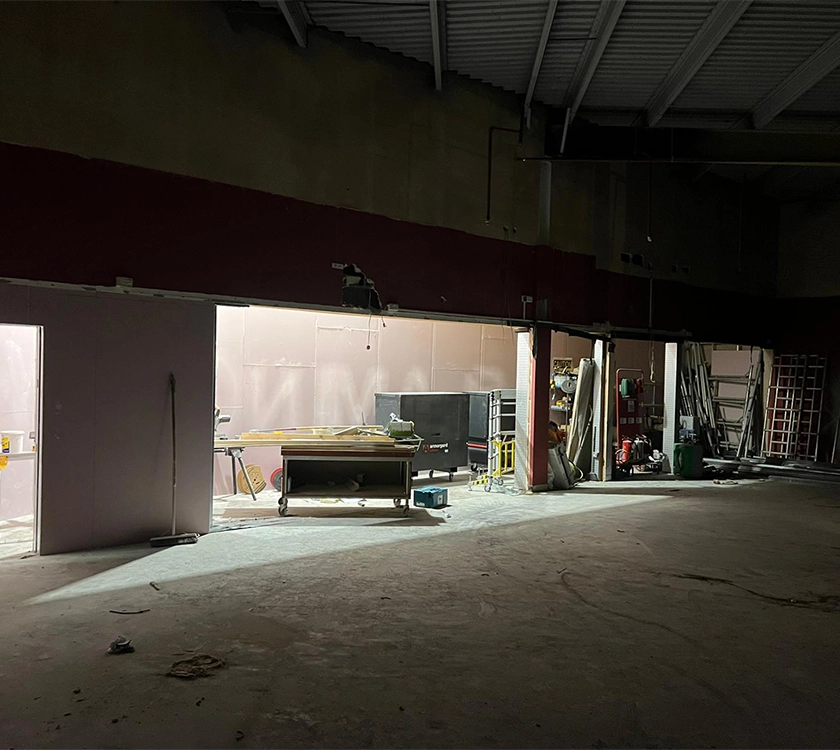
A full commercial strip out means returning a building back to its structural shell. This goes far beyond removing furniture or finishes. It involves the safe removal of all non-structural elements so the space is ready for redevelopment, reconfiguration, or change of use.
Typical environments include:
- Retail units
- Offices
- Leisure venues
- Restaurants & bars
- Industrial and mixed-use buildings
Each comes with its own challenges — services, layouts, and compliance requirements.
What’s Actually Included in a Full Strip Out?
1. Soft Strip & Internal Removal
This is the controlled removal of internal elements, including:
Suspended ceilings and grid systems
Partitions and stud walls
Floor finishes (carpet, vinyl, tiles, screed where required)
Joinery, counters, bars, and fixed furniture
Everything is removed methodically to avoid damage to the building’s structure.
2. Mechanical & Electrical Decommissioning
One of the most critical — and most underestimated — parts of a strip out.
This includes:
Safe isolation of electrical supplies
Removal of lighting, containment, and distribution
Strip out of HVAC systems and ductwork
Disconnection and removal of plumbing and drainage
Poor M&E management at this stage can cause major delays later.
3. Structural Alterations (Where Required)
While strip out doesn’t usually include structural demolition, it can involve:
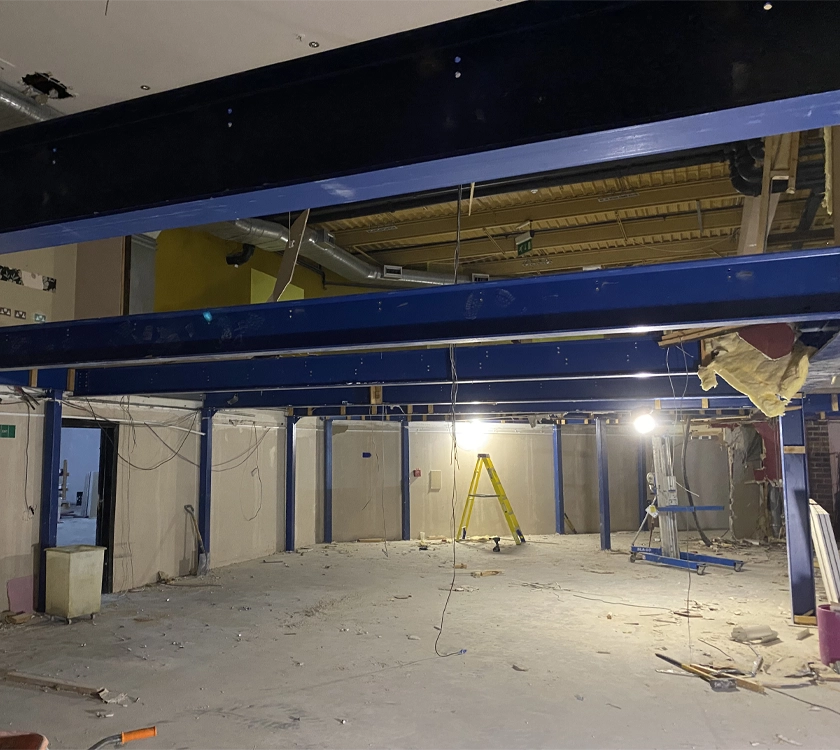
Removal of mezzanines or raised floors
Cutting back redundant steels or supports
Opening up spaces to suit new layouts
All works are planned and carried out with full method statements and structural considerations.
4. Fire Safety & Compliance Elements
Commercial spaces are governed by strict regulations. During strip out, this often involves:
Removal of fire-rated partitions and ceilings
Exposure and assessment of fire protection measures
Making safe or upgrading fire stopping zones
This stage is vital for ensuring the next phase of works meets current regulations.
5. Waste Management & Recycling
A professional strip out isn’t about filling skips — it’s about controlled waste management.
This includes:
Segregation of waste streams
Recycling of metal, timber, plasterboard, and fixtures
Full waste transfer documentation
Compliance with environmental legislation
Responsible waste handling reduces costs and risk.
A full commercial strip out can easily create risk if not managed correctly, but this was delivered in a structured and compliant manner from start to finish. The works protected the base build, neighbouring units, and programme, making the subsequent fit out far smoother. It reinforced why experience at this stage truly matters.– LANDLORD / ASSET MANAGEMENT
Why a Full Strip Out Really Matters
It Prevents Hidden Problems
Old services, poor installations, and historic defects are exposed early — not halfway through a fit out when it’s expensive to fix.
It Protects Programme & Budget
A properly executed strip out:
Reduces unexpected variations
Allows accurate surveys
Creates a predictable construction programme
This is especially critical for time-sensitive commercial projects.
It Improves Safety on Site
Live cables, unsupported structures, and unknown services are major hazards. A full strip out removes those risks before new trades arrive.
It Sets the Standard for the Fit Out
You can’t deliver a high-quality finish on a compromised base. Clean, compliant, well-prepared shells lead to:
Better workmanship
Faster installs
Higher-quality final spaces
Why Experience Matters in Commercial Strip Outs
Strip out works aren’t just demolition — they’re about control, planning, and accountability. Live environments, landlords, centre management teams, and neighbouring tenants all add layers of complexity.
An experienced contractor understands:
Phasing and access constraints
Working safely in live or partially occupied buildings
Coordinating with landlords and managing agents
Preparing spaces correctly for the next stage of works
Final Thought
A full commercial strip out is the foundation of every successful refurbishment or fit out. Done properly, it saves time, money, and stress. Done poorly, it creates problems that follow the project all the way to completion.
If you’re planning a refurbishment, change of use, or full fit out — the strip out stage isn’t where you cut corners. It’s where you set the standard.